


Quick Answer
Unheated Blue Sapphire — 60-Second Answer
- What it is: a blue sapphire never baked to improve color or clarity. Natural, pure, nothing added.
- How rare: under 5% of blue sapphires sold. The other 95% get heated at 1,600–1,800°C.
- Price premium: 30–300% over heated. 1ct Royal Blue unheated runs $2,500–$8,000+. Heated equivalent runs $800–$2,200.
- Certification: only trust Gübelin, SSEF, GRS, or AGL. They state “no indications of heating” on the report.
- Top origins: Kashmir ($10K+/ct), Burma ($3K–$15K), Ceylon ($1K–$5K), Montana ($500–$2K), Madagascar ($800–$3K).
- How to spot heated: dissolved silk inclusions, over-saturated color, snow-cone fingerprints. All show under a 10x loupe.
- Buy if: you’re investing, collecting, or want provenance. Skip if: you want size per dollar — heated gives you 2–3× the carat weight at the same budget.
Unheated blue sapphire is sapphire in its natural state. No heat treatment, no color enhancement, no clarity “cleanup.” Under 5% of blue sapphires qualify. The rest get heated at 1,600–1,800°C to deepen the blue and dissolve inclusions. Unheated stones cost 30–300% more at matched grade. Kashmir and Burma origins carry the biggest premiums. Only Gübelin, SSEF, GRS, or AGL reports confirm the stone has never been heated.
What is unheated blue sapphire? If you’ve ever wondered what makes these gemstones so special, you’re not alone. Unheated blue sapphires are natural wonders, untouched by heat treatments, and valued for their rarity and authenticity. But how do they compare to the more common heated sapphires?
Let’s dive into everything you need to know about unheated and heated blue sapphires, from their formation to their market value, so you can make an informed choice when buying these stunning gems.
If you’re interested in learning about other unheated sapphires, check out our guide on the Unheated Pink Umbra Sapphire—another rare and beautiful gemstone with its own unique allure.
What Is Unheated Blue Sapphire?
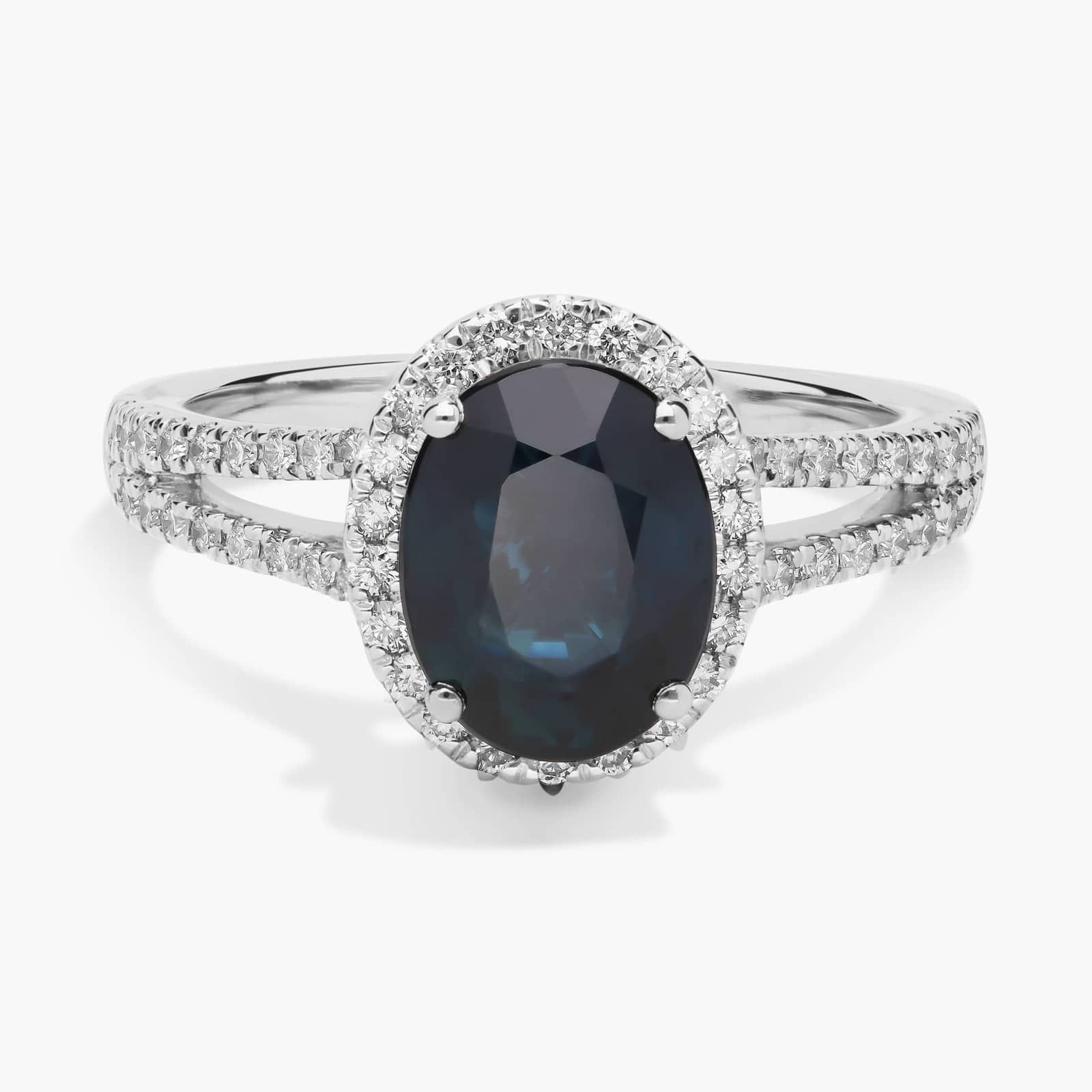
An unheated blue sapphire is a gemstone that has not undergone any heat treatment to improve its color or clarity. Unlike their heated counterparts, these gems remain entirely in their natural state, showcasing their raw and untouched beauty. This lack of intervention preserves the stone’s authenticity, making it a rare and highly sought-after treasure in the world of fine gemstones.
What sets unheated blue sapphires apart is their rarity. Did you know that less than 10% of all blue sapphires on the market are unheated?
This scarcity, combined with their unaltered brilliance, makes them particularly prized by collectors and enthusiasts alike. As gem expert Mehedi Hasan once noted,
“Unheated blue sapphires are the epitome of nature’s artistry, offering a glimpse into Earth’s purest creations.”
If you’re curious about the value of sapphire jewelry, check out this guide on How Much Does a Full Sapphire Ring Cost for an in-depth breakdown.
How Are Unheated Sapphires Formed?
Unheated sapphires are formed deep within the Earth’s crust under intense pressure and heat, naturally developing their vivid blue hues over millions of years. Unlike sapphires that are heat-treated post-extraction to enhance their appearance, unheated stones retain their original color and characteristics.
These raw sapphires are a testament to the forces of nature, untouched by human intervention. The result? Unique and breathtaking gems that showcase natural blue hues and the rich mineral content of their geological origins.
Identifying an Unheated Sapphire
When evaluating a blue sapphire, there are key factors that can help you determine whether it’s unheated:
- Look for Inclusions:
Unheated sapphires often contain natural inclusions or tiny imperfections, which serve as fingerprints of their authenticity. Heated sapphires, on the other hand, typically show fewer inclusions because the heat treatment alters the internal structure of the gemstone. - Certification Is Key:
Always request a gemological certificate from a trusted authority, such as GIA (Gemological Institute of America) or AGS (American Gem Society). These certifications provide confirmation that the sapphire has not undergone any treatments.
Want to explore another rare sapphire variety? Dive into our guide on Pink Sapphires and discover the beauty of these blushing gemstones.
By following these steps and working with a trusted jeweler, you can confidently identify and invest in an unheated blue sapphire that truly reflects its natural beauty and value.
Diamond IQ Test: Natural or Lab-Grown?
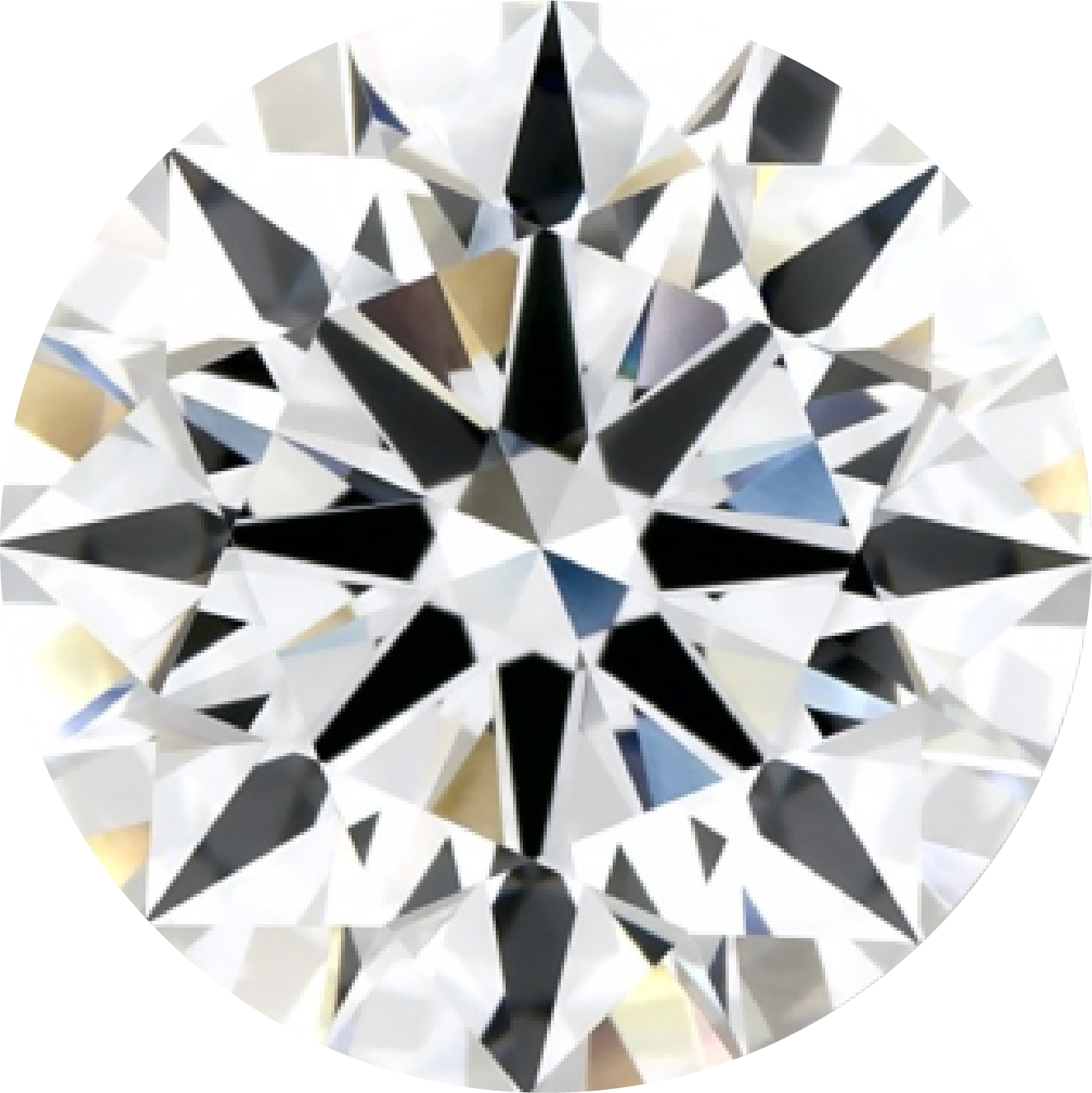
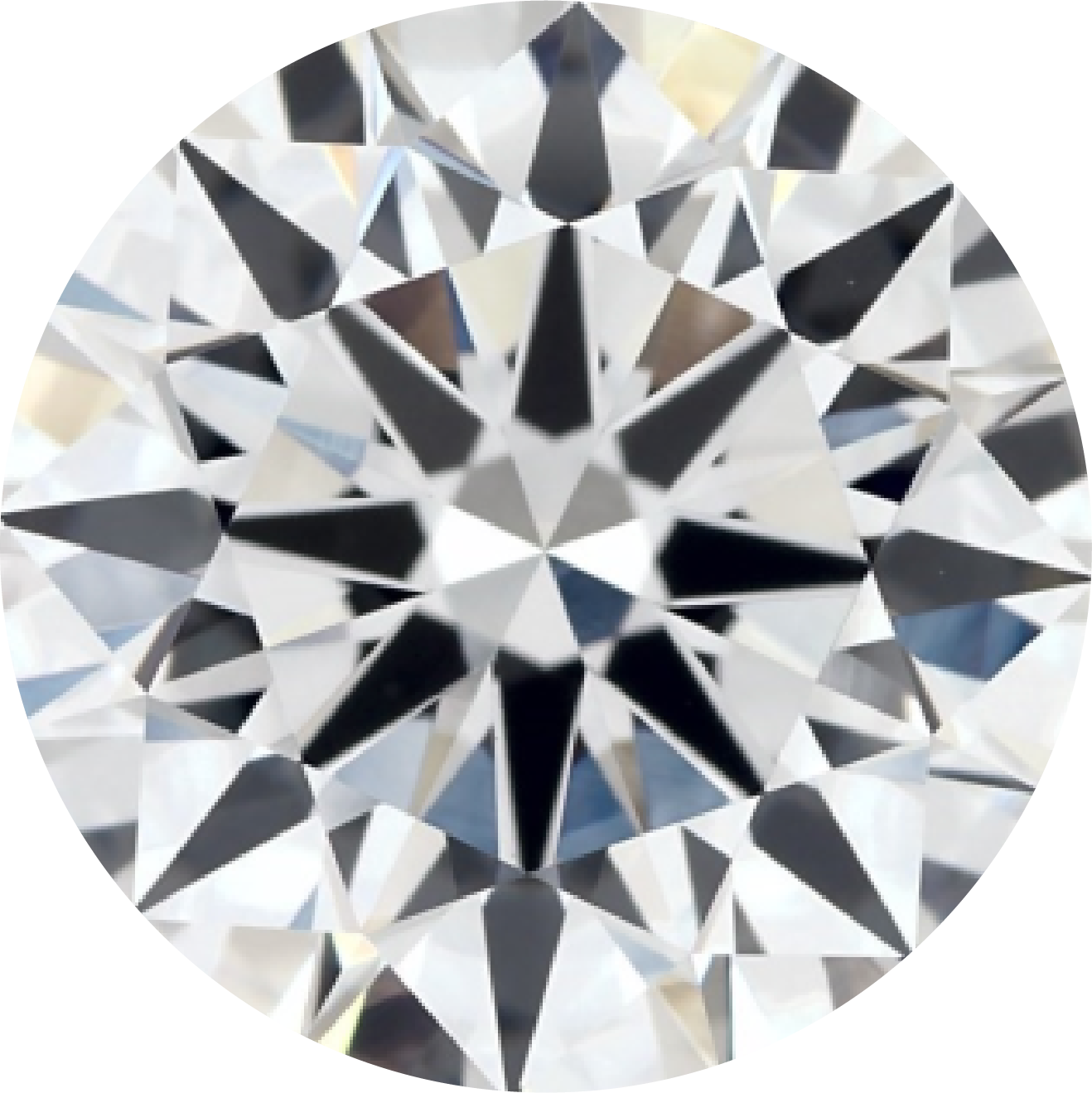
Two identical diamonds: GIA Certified, 1.51ct, D Color, VVS1, Ideal Cut. One is natural ($16,240), the other is lab-grown ($1,970). Choose the diamond you like better and see if you can match it to its origin.
What Is Blue Sapphire? The Short Chemistry Lesson
Blue sapphire is corundum — aluminum oxide (Al₂O₃) — with trace iron and titanium. Those two elements make it blue. Without them, the same crystal is colorless. Add chromium instead and you get ruby. Blue sapphire scores a 9 on the Mohs hardness scale. Only diamond is harder.
| Property | Blue Sapphire |
|---|---|
| Mineral family | Corundum |
| Chemical formula | Al₂O₃ + trace Fe + Ti |
| Color agent | Iron + titanium |
| Mohs hardness | 9 (second to diamond) |
| Refractive index | 1.762–1.770 |
| Specific gravity | 3.95–4.03 |
| Crystal system | Trigonal |
| Primary origins | Kashmir, Burma, Sri Lanka, Madagascar, Montana, Thailand |
What this means: the blue comes from electrons jumping between iron and titanium atoms. That electron jump absorbs red light. Blue is what’s left for your eye. Too much iron tips the stone gray or inky. Too much titanium tips it purple.
Verdict: hardest gemstone after diamond. Color depends on trace element ratios. No two mines produce the same blue — which is why origin matters so much for value. See our sapphire gemstone overview for the full corundum family.
“Everyone obsesses over the 4Cs when shopping sapphire. But sapphire has a fifth C — country of origin. A Kashmir stone at the same color grade as a Thai stone can cost 20 times more. Origin is the single biggest value lever in this market.” — Mehedi Hasan
What Is a Heated Blue Sapphire?
A heated blue sapphire is a gemstone that has undergone high-temperature treatment to enhance its color or clarity. This process is one of the most common practices in the gem industry, aimed at improving the visual appeal of sapphires. In fact, over 90% of all sapphires on the market are heat-treated, making them more accessible and affordable compared to their unheated counterparts.
While they may not have the rarity of unheated gems, heated blue sapphires are still incredibly beautiful, with their enhanced brilliance and vivid hues making them a popular choice for jewelry.
If you’re curious about how sapphire hues vary, you might enjoy this article on Emerald Blue and Sapphire Green Colors Together, which explores the fascinating spectrum of sapphire colors.
Why Are Sapphires Heated?
The process of heating sapphires is designed to bring out their best qualities, including color and clarity. Here’s why:
- Enhancing Color:
Heat treatment intensifies a sapphire’s blue hue, giving it a more vivid and desirable appearance. For example, a sapphire with a pale or uneven color can transform into a stunningly vibrant gem after heating. - Improving Clarity:
Heat reduces or minimizes natural inclusions within the sapphire, resulting in a cleaner, more visually appealing gemstone. These treated sapphires offer exceptional sparkle at a fraction of the price of unheated ones.
This balance of beauty and affordability makes heated blue sapphires a go-to choice for many buyers, especially those seeking high-quality stones within a budget.
How to Tell If a Sapphire Is Heated
While it may be difficult for the untrained eye to differentiate between heated and unheated sapphires, there are a few telltale signs:
- Subtle Differences in Appearance:
Heated sapphires often display a more uniform color, as the heat treatment smooths out inconsistencies in their natural hue. This uniformity, while appealing, can sometimes lack the unique character found in unheated stones. - Certification Matters:
The most reliable way to determine if a sapphire has been heated is through a gemological report. Institutions like GIA or AGS will clearly indicate whether the stone has undergone heat treatment, giving you confidence in your purchase.
For more insights into evaluating sapphire qualities, explore our article on How Can You Describe Sapphire’s Luster to understand the factors that contribute to a gem’s brilliance. Additionally, learn how carat weight impacts a sapphire’s value in What Determines a Sapphire’s Carat.
By understanding these differences, you can choose between heated and unheated sapphires with confidence, depending on your preference and budget.
Why 95% of Blue Sapphires Get Heated
Short answer: because the market wants deep blue stones with no silk inclusions. Most sapphires come out of the ground looking milky or pale. Heat fixes both — permanently.
| Treatment | Temperature | What It Does | Reversible? |
|---|---|---|---|
| Low-temp heating | 800–1,200°C | Dissolves silk, slight color boost | No |
| Standard heat | 1,600–1,800°C | Deepens blue, clears inclusions, saturates color | No |
| Beryllium diffusion | 1,800°C + Be powder | Changes color from outside in | No |
| Titanium diffusion | 1,500–1,700°C + Ti | Adds blue to colorless corundum (surface only) | Partial |
| Fracture filling | 500–800°C + glass/oil | Fills surface cracks for clarity | Yes |
What this means: standard heat treatment is permanent and accepted trade-wide. Beryllium diffusion is different — it can turn a $200 pale pink into a fake $5,000 padparadscha. Fracture filling is the worst — it drops value 60–80% once disclosed.
Verdict: heat itself isn’t fraud. Undisclosed heat is. If a seller can’t confirm treatment with a lab report, walk. See our lab vs natural sapphire guide for how synthetics fit in.
How to Tell If a Sapphire Has Been Heat Treated
Gemologists use six indicators. None are 100% reliable alone. Together, they tell the full story. For stones over $2,000, send it to a lab anyway.
| Sign | Unheated | Heated |
|---|---|---|
| Silk inclusions (rutile needles) | Sharp, intact | Dissolved, ghosted |
| Snow-cone fingerprints | Clean patterns | Partial melt look |
| Color banding | Straight blue zones | Smeared, diffused |
| Color saturation | Zoned, variable | Over-saturated, uniform |
| Negative crystals | Sharp outlines | Discoid stress fractures around them |
| UV reaction | Weak or none | Occasional orange flash |
What this means: under a 10x loupe, intact rutile needles are the dead giveaway. Those needles don’t survive 1,600°C. If you see them sharp and whole, the stone was never heated. If you see “ghost lines” where needles used to be, heat broke them down.
Verdict: don’t trust your loupe alone on anything over $2,000. Send it to Gübelin, SSEF, GRS, or AGL. These four labs are the global standard for heat and origin reports.
“I’ve seen buyers pay $5,000 for a stone with a ‘natural sapphire’ hangtag. Then they send it to Gübelin and learn it was heated after all. The dealer wasn’t lying — they just hadn’t tested. Never buy an unheated claim without a top-four lab report. Period.” — Mehedi Hasan
Unheated vs. Heated Blue Sapphires – Key Differences

For choosing between unheated and heated blue sapphires, understanding the key differences can help guide your decision-making process. The chart below highlights the primary distinctions in terms of origin, color, clarity, rarity, and price.
Whether you’re looking for an investment piece or a stunning piece of jewelry, this comparison will give you a clearer picture of what each type of sapphire offers.
| Feature | Unheated Blue Sapphire | Heated Blue Sapphire |
|---|---|---|
| Natural Origin | Completely natural, no treatments | Treated with high heat to enhance appearance |
| Color | Subtle, unique, and sometimes uneven | Vivid, uniform, and often brighter |
| Clarity | May include natural inclusions | Fewer inclusions due to heat treatment |
| Rarity | Extremely rare | More common and widely available |
| Price | Higher due to rarity and authenticity | More affordable due to commonality |
Understanding the Differences
- Natural Origin: Unheated blue sapphires are prized for their authenticity, as they’ve been left untouched by any artificial treatments. On the other hand, heated blue sapphires undergo high-temperature treatments to enhance their color and clarity.
- Color: Unheated sapphires tend to have a more subtle and unique color, which can sometimes be uneven, adding to their natural charm. Heated sapphires, however, tend to have a vivid, uniform color that is more consistent and brighter due to the treatment.
- Clarity: One of the distinguishing features of unheated sapphires is their natural inclusions, which give each stone its own character. These inclusions, while not necessarily a flaw, make unheated sapphires rarer and often more valuable. Heated sapphires, due to the high temperatures, typically have fewer inclusions and appear cleaner to the naked eye.
- Rarity: Unheated sapphires are much rarer than heated ones, making them a sought-after gem for collectors and those who appreciate natural gemstones. Since the heat treatment is a common practice, heated sapphires are more widely available.
- Price: The rarity and authenticity of unheated blue sapphires mean they are generally priced higher than heated ones. If you’re looking for a more budget-friendly option, a heated sapphire might be a great choice while still offering stunning visual appeal.
By weighing these key differences, you can make a more informed decision when choosing between these two captivating types of blue sapphires.
Why Unheated Blue Sapphires Are Worth More
Unheated blue sapphires are among the most sought-after gemstones in the world, and their raised value is no accident. From their rarity and natural beauty to their exceptional investment potential, unheated sapphires are truly in a class of their own.
Let’s dive deeper into why they command such a high price tag and why collectors and gemstone enthusiasts are willing to pay a premium for them.
Rarity
Unheated blue sapphires are an extremely rare find, accounting for less than 10% of all sapphires on the market. The rarity of unheated sapphires is one of the primary reasons why they are so highly valued. As the Gemological Institute of America (GIA) points out,
“Unheated sapphires are a rare treasure in the gemstone world because they have not been altered in any way by humans. Their natural origin makes them even more precious.”
I’ll never forget the first time I had the privilege of handling an unheated blue sapphire. It was a stunning 2-carat stone, untouched by any treatment, and it was unlike any sapphire I’d ever seen before.
The deep, rich blue was so mesmerizing, with just the right amount of natural inclusions, giving it character and a unique charm. The rarity of this stone became instantly apparent, and it was clear why such stones are considered treasures in the world of gemstones.
The scarcity of unheated sapphires also makes them a highly coveted asset for collectors. Since these sapphires are formed under specific conditions deep within the Earth’s crust, they cannot be replicated. This is why they are so valuable and sought after, especially in a market where treated sapphires are more common.
Natural Beauty
Unheated sapphires are celebrated for their natural beauty and authenticity. The beauty of a gemstone that has not been subjected to heat treatments is unparalleled, as it reflects the raw and untouched artistry of nature. According to the American Gem Society (AGS),
“Untreated sapphires maintain their original, organic beauty, making them especially desirable for those who appreciate their authenticity”
When I had the chance to compare a heated and an unheated sapphire side by side, the difference was striking. The unheated sapphire had a natural, complex depth to its color, with subtle, unique variations in blue that were impossible to duplicate.
In contrast, the heated sapphire had a more uniform, intense hue, which some people may find appealing, but it lacked the detailed charm of the unheated stone.
Collectors, especially those with an eye for quality, value the imperfections and inclusions that come with unheated sapphires. These inclusions are a sign that the gemstone has not been altered and is completely natural.
They add to the individuality of each stone, making every unheated sapphire a unique masterpiece in its own right.
Investment Potential
Unheated sapphires not only make for beautiful jewelry but also serve as solid long-term investments. The natural rarity of these stones means that they are likely to hold their value over time, and in many cases, they appreciate in value. As the GIA highlights,
“Untreated gemstones, including unheated sapphires, are highly regarded as a stable investment due to their rarity and increasing demand.”
I’ve personally seen unheated sapphires increase in value over time. One of the first blue sapphires I acquired for my collection was a 3-carat unheated stone, which I purchased for a significant amount several years ago.
Since then, its value has steadily increased, largely due to the growing demand for unheated gemstones. It’s an investment that not only adds beauty to my collection but also proves to be a solid financial asset.
Additionally, because unheated sapphires are so rare, their value is less likely to fluctuate as much as that of more common gemstones. The combination of rarity and consistent demand makes them a smart choice for anyone looking to make an investment in gemstones.
To dive deeper into sapphire pricing and learn more about how much unheated sapphires can cost, take a look at our detailed guide on Sapphire Value Per Carat Calculation.
If you’re interested in understanding how sapphires compare to other gemstones in terms of investment, check out our article on Are Sapphires Worth More Than Gold?.
Unheated sapphires are not just beautiful gemstones; they are precious, rare, and long-lasting investments that continue to captivate gem lovers and investors around the world.
Blue Sapphire Origins: Kashmir, Burma, Ceylon, Montana, Madagascar
Origin is the biggest price driver in sapphire. Bigger than color. Bigger than carat. Same stone, same grade, totally different price depending on where it came out of the ground.
| Origin | Signature Color | Rarity | 1ct Unheated Price | Known For |
|---|---|---|---|---|
| Kashmir (India) | Cornflower blue, velvety | Extinct supply | $10,000–$50,000+ | Finest blue ever found. Mines depleted 1930s. |
| Burma / Myanmar | Royal blue, deep | Very rare | $3,000–$15,000 | Mogok Valley. Richest saturated royal blue. |
| Sri Lanka / Ceylon | Bright medium blue | Available | $1,000–$5,000 | Bright cornflower at affordable prices. |
| Madagascar | Royal blue to teal | Available | $800–$3,000 | Burma-like color at Ceylon prices. |
| Montana (USA) | Teal, cornflower | Available | $500–$2,000 | Ethically mined. Signature teal. |
| Thailand | Dark inky blue | Common | $300–$1,200 | Everyday jewelry. Usually heated. |
| Australia | Dark navy, nearly black | Common | $200–$900 | Dark and cheap. |
What this means: Kashmir sapphires are art-world rare. No new supply since the 1930s. Every top-tier Kashmir is a resale. Burma is the next tier. Ceylon and Madagascar are where most serious collectors shop without going broke. Montana is the ethical choice. Thai and Australian are commodity.
Verdict: for best unheated value, buy Madagascar royal blue or Ceylon cornflower. For investment, go Kashmir or Burma if budget allows. Montana if ethics beats classic blue for you. See are sapphires worth more than gold for the long-term value math.
Unheated Blue Sapphire Price Per Carat (Ceylon Baseline)
Price moves on four axes: color grade, clarity, carat weight, origin. The chart below holds origin at Ceylon (mid-market). Multiply by 2–5× for Burma. Multiply by 10–20× for Kashmir.
| Carat | Royal Blue (Top) | Vivid Blue (High) | Medium Blue (Mid) | Light Blue (Low) |
|---|---|---|---|---|
| 0.5ct | $1,200–$2,000 | $600–$1,100 | $300–$600 | $150–$300 |
| 1ct | $2,500–$5,000 | $1,300–$2,500 | $700–$1,400 | $350–$700 |
| 2ct | $6,000–$12,000 | $3,000–$6,500 | $1,600–$3,200 | $800–$1,600 |
| 3ct | $12,000–$25,000 | $6,500–$14,000 | $3,000–$7,000 | $1,500–$3,500 |
| 5ct | $30,000–$75,000 | $15,000–$35,000 | $8,000–$18,000 | $4,000–$9,000 |
| 10ct | $100,000+ | $55,000+ | $25,000+ | $12,000+ |
What this means: like diamond, sapphire pricing isn’t linear. A 2ct is NOT 2× the price of a 1ct — it’s 3–5×. Stones over 2ct are much rarer. From 3ct to 5ct, the per-carat price triples again. That’s why big unheated stones are treated as investment-grade.
Verdict: for an engagement ring, we recommend 1ct unheated Royal Blue Ceylon or Madagascar at $2,500–$5,000. That’s the sweet spot. Below $1,500, go heated — the value gap is small and you keep a bigger stone. See our sapphire value calculator for your exact spec.
Color Grades: Royal Blue, Cornflower, Teal, Padparadscha
“Unheated blue” is an umbrella. Six color designations drive dramatically different prices even at the same origin.
| Color | Look | 1ct Unheated (Ceylon) | Market Position |
|---|---|---|---|
| Royal Blue | Deep blue, strong tone | $2,500–$5,000 | Top-tier grade |
| Vivid Blue | Pure blue, medium tone | $1,300–$2,500 | Second tier, high value |
| Cornflower Blue | Soft velvety blue (Kashmir signature) | $1,500–$3,500 | Classic look |
| Teal / Montana | Blue-green mix | $500–$2,000 | Trendy, ethically mined |
| Padparadscha (orange-pink) | Sunset orange-pink | $2,000–$10,000 | Rarest sapphire color |
| Yellow Sapphire | Canary to lemon | $300–$1,500 | Astrological market |
| Pink Sapphire | Baby pink to hot pink | $800–$3,500 | Alt engagement stones |
| Purple Sapphire | Violet to lavender | $400–$1,500 | Underrated collector pick |
What this means: Royal Blue and Cornflower Blue are the two most sought grades in blue sapphire. Royal Blue is the darker “deep ocean” look. Cornflower Blue is the softer “velvet” look originally from Kashmir. Either designation on a Gübelin or SSEF report moves resale value significantly.
Verdict: want the richest blue? Chase Royal Blue. Want the softer Kashmir look? Chase Cornflower Blue. For other colors, see our guides: padparadscha, yellow, pink, white, green.
Buying Guide for Unheated Blue Sapphires
So, you’re thinking about getting a blue sapphire—awesome! But here’s the thing: not all sapphires are created equal. If you’ve heard about unheated blue sapphires, you’re probably wondering why they’re so special (and why they cost more).
Well, let’s dive into everything you need to know, from the basics of unheated vs. heated sapphires to finding the best deals from trusted vendors.
Why Do Unheated Sapphires Cost More?
Unheated sapphires are like the raw, untouched gems of the sapphire world. No heat treatments, no enhancements—just pure natural beauty straight from the Earth. This makes them super rare and highly coveted. Here’s why they tend to come with a higher price tag:
- Rarity: Around 90% of sapphires on the market are heat-treated to improve their color and clarity. Unheated sapphires are much rarer because they’re found in nature in their natural state. Less availability = higher value.
- Natural Beauty: Unheated sapphires keep all their natural inclusions, which some buyers really appreciate. Those little imperfections? They’re a mark of authenticity! For gem lovers and collectors, these inclusions are part of what makes the gem special. You get a sapphire that’s truly unique, no two are exactly alike.
- Long-Term Value: Since unheated sapphires are so rare, their value tends to hold up better over time. If you’re looking for something that’ll last and maybe even increase in value, unheated sapphires are a smart choice.
How Much Does an Unheated Sapphire Cost? Let’s Compare!
Okay, now let’s get into the fun part—pricing. How much can you expect to pay for a beautiful, unheated blue sapphire? To help you out, here’s a quick comparison of unheated sapphires versus heated sapphires by carat size:
| Carat Weight | Price per Carat (Unheated) | Price per Carat (Heated) | Total Price Range (Unheated) | Total Price Range (Heated) |
|---|---|---|---|---|
| 1.00 ct | $3,500 – $5,000 | $1,000 – $2,500 | $3,500 – $5,000 | $1,000 – $2,500 |
| 2.00 ct | $4,000 – $6,000 | $1,500 – $3,000 | $8,000 – $12,000 | $3,000 – $6,000 |
| 3.00 ct | $5,000 – $7,000 | $2,000 – $4,000 | $15,000 – $21,000 | $6,000 – $12,000 |
| 5.00 ct | $6,000 – $8,000 | $2,500 – $5,000 | $30,000 – $40,000 | $12,500 – $25,000 |
| 10.00 ct | $7,000 – $10,000 | $3,000 – $6,000 | $70,000 – $100,000 | $30,000 – $60,000 |
So, you can see that unheated sapphires are definitely more of an investment compared to heated sapphires. But remember, you’re paying for that rarity, authenticity, and long-term value. The price difference can really add up, especially as you go for larger carat sizes!
When Should You Choose an Unheated Sapphire?
If you’re leaning toward an unheated blue sapphire, here are a few things to keep in mind:
- You love natural beauty: Unheated sapphires have a raw, untouched charm that heated sapphires can’t match. If you appreciate a gemstone that hasn’t been altered in any way, unheated is the way to go.
- You’re willing to invest: Unheated sapphires cost more, but they’re more rare, and they’re likely to hold their value over time. If you’re looking for something that’s not only gorgeous but a good investment, this is the way to go.
- You like unique stones: Each unheated sapphire is one-of-a-kind, with its own natural inclusions. So if you want a gemstone that’s truly personal, you’ll love the individuality of an unheated sapphire.
When Should You Choose a Heated Sapphire?
On the other hand, heated sapphires are perfect for those who:
- Want a vibrant gem at a better price: Heated sapphires often have more vivid colors because of the heat treatment. If you’re looking for a bright, flawless sapphire on a budget, heated sapphires might be a great choice.
- Want consistency: Heat-treated sapphires tend to have more uniform color and fewer inclusions, which some buyers prefer. If you’re looking for a more predictable, polished stone, a heated sapphire might be just what you need.
- Need more options: Because they’re more common, heated sapphires come in a wide variety of sizes, cuts, and prices, making them easier to find and more budget-friendly.
Where to Buy Unheated Blue Sapphires
Now, let’s talk about where to get your hands on one of these stunning unheated sapphires. There are some fantastic online vendors where you can find top-quality gemstones that will be perfect for your collection:
1. Blue Nile
If you want to shop from a well-known and trusted name, Blue Nile is a solid choice. They have a beautiful selection of unheated blue sapphires, and their attention to detail is unmatched. Plus, they offer GIA certification, so you can rest assured that your sapphire is the real deal.
ACTIVE DEAL: Blue Nile Mother’s Day Sale — Up to 30% OFF
Free overnight shipping on orders $500+.
Free 30-day returns. Lifetime warranty.
Also: New email subscribers get $50 off their first order of $500+.
Looking for more? Check out the Clear The Vault event.
*Exclusions may apply. See Blue Nile for complete details.
- Why Blue Nile?
- Known for its high-quality gemstones.
- Offers GIA-certified unheated sapphires.
- Transparent pricing and secure shipping.
Read Our 5-Star Blue Nile Review
Check our comprehensive Blue Nile review to learn why we rated Blue Nile 5 stars for their exceptional quality and value.
2. James Allen
James Allen is another top online retailer with a reputation for excellent customer service and quality. One of the things that sets them apart is their 360-degree video feature, which lets you see the sapphire up close before making a purchase. They also offer GIA-certified unheated sapphires, so you know you’re getting the best.
💍 Limited Time: Forge your perfect ring! Get up to 20% OFF engagement ring settings at James Allen!
✨ Conscious Value: Save on brilliance! Lab-Grown Diamonds are now up to 10% OFF at James Allen.
🔥 Flash Sale:
Huge inventory blowout! Save
- Why James Allen?
- 360-degree views of sapphires so you can really examine the stone.
- GIA-certified unheated sapphires.
- Great customer service and easy returns.
James Allen: Our 5-Star Choice for Price and Selection
Check our comprehensive James Allen Review to learn more about their pricing and commitment.
3. Amazon
Don’t underestimate Amazon! While it’s not your typical high-end jewelry store, Amazon has a surprising number of quality sapphire sellers, often with great deals. Just be sure to check the reviews and look for sellers who provide GIA certification.
If you’re looking for something a little more budget-friendly, Amazon could be a good option.
- Why Amazon?
- Competitive prices and a wide selection.
- User reviews to help you find the best sellers.
- Fast shipping and flexible return policies.
Why Should You Compare Unheated Sapphires with Heated Ones?
It’s important to know the difference between unheated and heated sapphires before you make your purchase. Heated sapphires are less expensive, but unheated sapphires are rarer and often hold their value better in the long run.
If you’re looking for something that will last and maybe even increase in value, an unheated sapphire is a solid choice. However, if you’re on a budget or want a more vibrant stone, a heated sapphire might fit your needs just right.
Whether you’re choosing a heated or unheated sapphire, both have their own unique beauty. Unheated sapphires are rare, authentic, and tend to hold more value over time, making them a fantastic investment if you’re looking for something truly special.
But if you’re looking for a stunning stone that gives you great color at a better price, heated sapphires are definitely a great option too.
At the end of the day, it’s all about what matters most to you—do you want that raw, natural beauty of an unheated sapphire, or are you more interested in a vibrant, flawless gem? Whatever you decide, a blue sapphire is a timeless treasure that’s bound to make an impression.
If you’re still wondering about how lab-created sapphires compare to real sapphires, check out our detailed guide on Lab-Created Sapphire vs. Real Sapphire.
Why Is Blue Sapphire So Expensive? Five Factors Stacked
Blue sapphire pricing is driven by five stacked factors. Each one multiplies. A stone that wins on all five costs 50–100× an entry-level stone.
| Factor | Spread | What Shifts It |
|---|---|---|
| 1. Origin | 1× – 20× | Kashmir > Burma > Ceylon > Madagascar > Montana > Thai |
| 2. Heat treatment | 1× – 4× | Unheated multiplies 1.3–3× over heated |
| 3. Color grade | 1× – 10× | Royal Blue > Vivid > Medium > Light > Pale |
| 4. Carat weight | 1× – 25× | Non-linear — doubles every 1–1.5ct jump above 2ct |
| 5. Clarity | 1× – 2× | Eye-clean + 10x-clean sells for 1.3–2× heavily-included |
What this means: a 2ct Kashmir unheated Royal Blue stone is roughly 20 × 3 × 8 × 6 × 1.6 = 4,600× an equivalent 0.5ct Thai heated pale blue. That’s why top-0.1% blue sapphires reach $500,000+ per carat. The bottom quartile sits under $100 per carat.
Verdict: fastest way to lose money in sapphire — buy a stone that wins on only one factor. Kashmir but pale. Royal Blue but Thai. Look for stones that score 3-of-5 before paying collector premiums.
Unheated Blue Sapphires as Investment: What Actually Appreciates
Investment-grade sapphires aren’t jewelry. They’re hard assets with Gübelin, SSEF, or GRS reports. People hold them the same way they hold rare diamonds, art, or vintage watches.
| Spec Tier | Investment Grade? | 10-yr Appreciation | Liquidity |
|---|---|---|---|
| Kashmir, 3ct+, unheated, Royal/Cornflower | Yes — top tier | +150% to +400% | Auction only — Christie’s, Sotheby’s, Bonhams |
| Burma, 2ct+, unheated, Royal Blue | Yes | +80% to +200% | Dealer network + auction |
| Ceylon/Madagascar, 2ct+, unheated, Royal Blue | Collectible | +30% to +80% | Dealer resale |
| Any origin, 1ct, heated | No | 0% to -20% | Jewelry resale only |
| Thai or Australian, dark | No | -50%+ | Commodity only |
What this means: only three origins (Kashmir, Burma, top Ceylon) with unheated certification and 2ct+ weight consistently appreciate. Everything else is jewelry — enjoyable to own, not a wealth asset. The jump from “nice stone” to “investment stone” requires origin AND a top-tier lab report.
Verdict: if investment is the goal, buy Burma 2ct+ unheated Royal Blue with Gübelin or SSEF. That’s the clearest tier below Kashmir with real liquidity. Hold 10+ years. See are sapphires worth more than gold for the gold-vs-sapphire math.
“A 3-carat Kashmir with a Gübelin report sold at Christie’s in 2024 for $4.8 million. A 3-carat Thai heated sold the same week for $900. Same gem family, 5,000× price gap. That’s what provenance does to this market.” — Mehedi Hasan
Blue Sapphire vs Blue Diamond vs Tanzanite vs Lab Sapphire
Blue sapphire shares a shelf with three similar-looking blue stones. Each has a totally different value profile and durability.
| Factor | Blue Sapphire | Blue Diamond | Tanzanite | Lab Sapphire |
|---|---|---|---|---|
| Mineral | Corundum | Carbon (boron) | Zoisite | Flame-fusion corundum |
| Mohs hardness | 9 | 10 | 6.5 | 9 |
| Color stability | Permanent | Permanent | Fades over time | Permanent |
| 1ct price (top) | $2,500–$50,000 | $75,000–$2M+ | $600–$1,500 | $30–$150 |
| Resale market | Strong (origin-dependent) | Exceptional | Weak | None |
| Everyday durability | Excellent | Excellent | Needs protection | Excellent |
What this means: for everyday wear plus value retention, natural blue sapphire wins. Hardness just below diamond. Permanent color. Real resale market. Tanzanite looks similar but is softer than quartz and fades. Blue diamonds are stratospheric. Lab sapphire is visually identical and 99% cheaper — with zero resale.
Verdict: want the blue look at any budget? Lab sapphire gets you there. Want investment potential or an heirloom? Buy natural unheated with origin certification. See lab vs real sapphire for the full comparison.
Neelam Stone (Blue Sapphire in Vedic Astrology)
Blue sapphire is called Neelam (नीलम) in Vedic astrology. It’s the gemstone of Saturn (Shani). Traditional practice considers it the most powerful stone — and the most unpredictable. The rule: test-wear it for 3 days before committing.
| Factor | Guidance |
|---|---|
| Who should wear | Capricorn, Aquarius ascendants. Strong or beneficial Saturn. |
| Who should NOT wear | Aries, Leo, Cancer, Scorpio ascendants. |
| Metal setting | Silver, Panchdhatu, or white gold. Never yellow gold in tradition. |
| Finger | Middle finger, dominant hand. |
| Day to first wear | Saturday evening, with purification ritual. |
| Minimum weight | 2 carats. Must be unheated and untreated. |
| Trial period | 3 days. If bad events happen, remove and never wear again. |
What this means: tradition treats Neelam as all-or-nothing. Either it transforms your life or it disrupts it. No middle ground. For astrological use, the stone must be unheated, untreated, and ideally Kashmir or Ceylon.
Verdict: if you’re buying Neelam for astrology, insist on unheated Ceylon or Kashmir with a top-tier lab report. Thai, Australian, or treated stones are considered inert in tradition. If you’re buying for aesthetics only, the same quality rules apply as any other sapphire purchase.
Where to Buy Unheated Blue Sapphire
Most mall and chain jewelers don’t carry certified unheated stones at all. The real market lives in specialty dealers, auction houses, and a short list of online retailers with transparent lab reports.
| Retailer | Trust Level | What to Expect |
|---|---|---|
| Specialty dealers (Leibish, Natural Sapphire Co.) | High | Full Gübelin/SSEF reports, origin certified, 2–5× markup |
| Blue Nile sapphire | High for mainstream grades | Lab-report sapphires including some unheated. Mostly Ceylon/Madagascar. |
| Christie’s / Sotheby’s / Bonhams | Highest | Investment-grade only. Kashmir and Burma. Buyer’s premium applies. |
| GemFields / miners-direct | Medium–High | Rough or lightly finished. Limited certification. |
| Mall chains | Low | Rarely stock unheated. Vendor claims only. |
| Etsy / eBay | Very Low | Claims rarely verifiable. Avoid over $500. |
| Overseas direct (Sri Lanka, Thailand) | Variable | Only buy with escrow + lab report delivered first. |
What this means: for stones under $5,000, Blue Nile’s sapphire selection is the strongest mainstream option. Hard to find lab-backed listings at that price elsewhere. For stones over $5,000, go to Natural Sapphire Company or Leibish. For $50,000+, you’re at auction.
Verdict: never buy an unheated sapphire without a lab report in hand BEFORE purchase. Reports should come from Gübelin, SSEF, GRS, AGL, or GIA. “We’ll send it to a lab after you buy” is a red flag.
FAQs About Unheated and Heated Blue Sapphires
Q1: What is unheated blue sapphire, and why is it rare?
Ans:
An unheated blue sapphire is a naturally occurring gemstone that has not been exposed to any heat treatments to alter its color or clarity. These sapphires are valued for their natural beauty and are considered rare for the following reasons:
Natural origin: Unheated sapphires form deep within the Earth under extreme pressure and temperature, but their natural beauty remains untouched.
Scarcity: Over 90% of sapphires on the market are heat-treated to enhance their color or clarity, which makes unheated sapphires much rarer.
Unique features: Unheated sapphires often have natural inclusions that are seen as a sign of authenticity, adding to their individuality.
Q2: Are heated sapphires less valuable than unheated ones?
Ans:
Yes, in most cases, heated sapphires are less valuable than unheated ones due to the following reasons:
Heat treatment affects value: The heat treatment process enhances the sapphire’s appearance, but it also makes it less rare.
Natural beauty premium: Unheated sapphires are seen as more authentic, which makes them more highly prized by collectors and investors.
Market demand: Since more sapphires on the market are heat-treated, unheated sapphires tend to be more sought after, driving up their value.
Q3: How can I tell if my sapphire is unheated?
Ans:
To determine if your sapphire is unheated, consider these steps:
Gemological report: The most reliable way is to have the sapphire examined by a trusted gemological lab like GIA (Gemological Institute of America) or AGL (American Gemological Laboratories). They can confirm whether the sapphire has undergone any treatments.
Natural inclusions: Unheated sapphires typically have natural inclusions or “fingerprints” that can be seen under magnification. These inclusions indicate that the sapphire has not been heat-treated to remove or alter them.
Color variation: Unheated sapphires often display a more subtle, uneven color compared to the uniform, vivid hue of heated sapphires.
Q4: Are heated sapphires still real sapphires?
Ans:
Absolutely! Heated sapphires are still real sapphires. Heat treatment doesn’t change the chemical composition of the sapphire, it simply enhances the gemstone’s color and clarity. Here’s why heated sapphires are still considered authentic:
Same mineral composition: Regardless of heat treatment, a sapphire is still a form of the mineral corundum, whether heated or not.
Widely accepted in the market: Heat-treated sapphires are commonly used in jewelry and are highly valued for their appearance and affordability.
Natural origin: While heat treatment is a human intervention, the sapphire still originates naturally from the Earth.
Q5: Should I invest in unheated blue sapphires?
Ans:
Yes, investing in unheated blue sapphires can be a great decision for several reasons:
Rarity and demand: Unheated sapphires are much rarer, and their scarcity often makes them more valuable over time.
Long-term investment potential: Due to their rarity and natural beauty, unheated sapphires tend to hold or increase in value as they become harder to find.
Collector’s item: If you’re a gem collector or investor, an unheated blue sapphire can be a solid addition to your collection, especially if it has unique qualities or comes from a renowned origin.
Desirability: Their authenticity and natural beauty are highly desirable in the luxury gemstone market.
What is an unheated sapphire?
An unheated sapphire has never been baked. No heat treatment to deepen color. No treatment to dissolve inclusions. Under 5% of commercial sapphires qualify.
What is unheated blue sapphire worth?
Unheated blue sapphire runs $300–$50,000+ per carat. 1ct Ceylon Royal Blue runs $2,500–$5,000. Burma runs $3,000–$15,000. Kashmir starts at $10,000+ per carat.
What does unheated sapphire mean?
“Unheated” means the stone has never been heat-treated. It exists as it was mined — natural color, natural inclusions, no artificial enhancement. “Untreated” means the same thing in most lab contexts.
What is the difference between heated and unheated sapphire?
Heated sapphires are baked at 1,600–1,800°C to deepen color and dissolve inclusions. Industry standard for 95% of stones. Unheated stones skip that step. Unheated costs 30–300% more at matched grade.
Why are unheated sapphires more expensive?
Unheated sapphires are rare. Only 5% of commercial supply qualifies. Scarcity + collector demand + investment-grade recognition from top labs creates a 30–300% premium over heated stones.
How can you tell if a sapphire has been heat treated?
Under a 10x loupe, look for dissolved rutile silk, snow-cone fingerprints, diffused color banding, over-saturated color, and discoid stress fractures around crystal inclusions. For anything over $2,000, send it to Gübelin, SSEF, GRS, or AGL.
Are heated sapphires worth less?
Yes. Heated stones are worth 30–75% less than unheated at matched grade. The gap widens at larger carat sizes and premium origins. A 2ct heated Ceylon Royal Blue may sell for $4,000. The unheated equivalent fetches $8,000–$12,000.
What is a no heat sapphire?
“No heat” is trade shorthand for “unheated.” Means the stone has never been heat-treated. Labs certify this as “no indications of heating” on their reports.
Why is blue sapphire so expensive?
Five factors stack: origin (1–20× multiplier), heat status (1–4×), color grade (1–10×), carat weight (non-linear, up to 25×), and clarity (1–2×). Winning on all five produces 50–100× premium over entry-level stones.
What makes sapphire blue?
Trace iron (Fe) and titanium (Ti) in the corundum crystal. Electrons jumping between those atoms absorb red light. Blue is what’s left for your eye. Gemologists call it intervalence charge transfer.
What is a Kashmir sapphire?
Kashmir sapphires come from India’s Zanskar region. Mined only between the 1880s and 1930s before the mines ran dry. Signature cornflower blue with a velvety “sleepy” look. Prices start at $10,000 per carat and reach $500,000+ at auction.
What is a Royal Blue sapphire?
Royal Blue is the top color designation for blue sapphire. Deep saturated blue with strong tone. It’s the most sought-after grade. Gübelin, SSEF, and GRS use “Royal Blue” as a formal grade on their reports.
What is a Cornflower Blue sapphire?
Cornflower Blue is a lighter, velvety blue with a soft “sleepy” look. Originally associated with Kashmir. Modern Ceylon stones can earn the designation too. One step below Royal Blue in trade preference, loved for subtle elegance.
What is the best blue sapphire in the world?
Unheated Kashmir Cornflower Blue stones from the 1880s–1930s period. Mine depletion ended production almost a century ago. Every top Kashmir stone is a secondary-market resale. Burma Royal Blue from Mogok Valley is the next tier.
Do blue sapphires hold their value?
Only certified unheated stones from top origins (Kashmir, Burma, select Ceylon) at 2ct+ hold or appreciate. Heated and small stones lose value like any jewelry — expect 40–60% depreciation at resale. Lab sapphires have no resale market.
What is Montana sapphire?
Montana sapphires come from Rock Creek, Yogo Gulch, and the Missouri River in the US. Signature teal, cornflower, or bluish-green color. Prized for ethical, traceable sourcing. 1ct unheated Montana runs $500–$2,000.
What is a padparadscha sapphire?
Padparadscha is the rarest sapphire color. Sunset-like blend of pink and orange. Occurs naturally in Sri Lanka, Madagascar, and very rarely Tanzania. Unheated padparadscha runs $2,000–$10,000 per carat. See our padparadscha sapphire guide.
Are heated gemstones less valuable?
Yes. Heat treatment is permanent and accepted industry-wide, but it still reduces value. For sapphire, heated stones sell for 30–75% less than unheated at matched grade. The gap is largest for premium origins.
What labs certify sapphire heat treatment?
Four labs are the global standard: Gübelin (Switzerland), SSEF (Switzerland), GRS (Thailand/Switzerland), and AGL (New York). GIA certifies too but is considered baseline for colored stones, not top-tier.
Is lab sapphire the same as natural sapphire?
Chemically identical. Visually identical to the naked eye. But 99% cheaper and no resale value. Lab sapphires are grown by flame-fusion or hydrothermal methods. They reach the market at $30–$150 per carat. See lab vs real sapphire.
What is beryllium diffusion in sapphire?
A high-temperature treatment at 1,800°C with beryllium powder. Changes color from outside in. Often used to fake padparadscha from pale pink corundum. Disclosed on lab reports and tanks value compared to natural padparadscha.
Can you tell unheated from heated with your eyes?
No. Not reliably. At casual viewing distance, a well-heated sapphire looks almost identical to an unheated one. The difference shows under a 10x loupe. Definitive answer only comes from a lab with FTIR spectroscopy.
Why can’t you reverse heat treatment?
Standard heat treatment at 1,600–1,800°C permanently restructures the crystal lattice. Dissolved rutile needles and migrated trace elements can’t return to their original positions. Irreversible. That’s why “no indications of heating” is treated as a permanent gemological fact once certified.
Who should not wear blue sapphire (Neelam)?
In Vedic astrology, Neelam is linked to Saturn. Tradition says Aries, Leo, Cancer, and Scorpio ascendants should avoid it. Test-wear for 3 days first. If bad events happen, remove and never wear again. Outside astrology, no restrictions.
Unheated Blue Sapphire Decision Matrix
Unheated isn’t right for every budget or buyer. Here’s the straight call based on what you’re buying for.
| If You Want… | Buy Unheated? | What This Means |
|---|---|---|
| Investment / wealth preservation | Yes | Only Burma 2ct+ Royal Blue with Gübelin. Nothing else qualifies. |
| Heirloom to pass down | Yes | Ceylon or Madagascar unheated 1–2ct is the sweet spot. |
| Astrological / Neelam use | Yes | Tradition requires it. 2ct+ Ceylon or Kashmir. |
| Engagement ring under $2,000 | No — go heated | $1,800 heated Ceylon looks identical to $4,500 unheated at casual viewing. |
| Fashion jewelry under $500 | No | Lab-created is smarter at this budget. |
| Big face-up size per dollar | No — go heated | Same budget gets you 2–3× the carat weight. |
| Ethically-mined with origin proof | Yes | Montana or Madagascar. Both have transparent supply chains. |
| Collector who values provenance | Yes | Required. Unheated is the price-of-entry for serious collectors. |
| Lab or synthetic for everyday wear | No — go lab | Lab sapphire is identical visually at 99% discount. |
Verdict: unheated blue sapphire is right for three groups — investors, serious collectors, astrological buyers. Everyone else under $2,000 should go heated or lab. The 30–300% premium is only worth it when provenance matters more than carat count.
“I steer buyers to unheated only when they can’t articulate why they want it. Then I explain the premium and let them decide. 60% choose heated once they understand the trade-off. The other 40% want provenance and buy unheated with eyes open. Both are right answers.” — Mehedi Hasan
See Also — More Blue Sapphire & Gemstone Resources
- Sapphire Gemstone Overview (Pillar) — the full corundum family: blue, pink, yellow, white, padparadscha, star
- Blue Sapphire Buying Guide — complete guide to buying blue sapphire
- What Is Sapphire Made Of? — chemistry and formation
- September Birthstone: Sapphire — birthstone traditions
- Padparadscha Sapphire — the rarest sapphire color
- Pink Sapphires — pink corundum guide
- Yellow Sapphire — canary and lemon sapphires
- White Sapphire — colorless corundum as diamond alternative
- Green Sapphire — rare green corundum
- Unheated Pink Umbra Sapphire — the Umbra Mine pink story
- Lab vs Natural Sapphire — chemistry and value comparison
- Sapphire Value Per Carat Calculator — live price estimates
- How Much Does a Full Sapphire Ring Cost? — budget guide
- Green Sapphire Price Guide — pricing by grade and origin
- Are Sapphires Worth More Than Gold? — wealth preservation comparison
- How to Describe a Sapphire’s Luster — adamantine vs vitreous
- What Determines a Sapphire’s Carat? — weight vs size
- Sapphire Ring Stone Replacement — repair and reset guide
- Sapphire Earrings Buying Guide
- Men’s Sapphire Wedding Ring Guide
Conclusion
Unheated blue sapphires are rare, natural wonders that stand out for their authenticity and unmatched beauty. These gemstones are prized for their untouched, raw elegance, offering a true reflection of nature’s craftsmanship.
While heated sapphires are more affordable and widely available, unheated ones represent the pinnacle of rarity and sophistication, often sought after by collectors and investors for their inherent value.
Whether you’re a gemstone enthusiast, a jewelry lover, or a collector, understanding the differences between heated and unheated sapphires can empower you to make the right choice for your collection or investment portfolio.
Unheated sapphires often command a higher price, but they offer unmatched rarity and long-term value, making them a wise choice for those seeking a truly unique gem.
So, next time you’re shopping for a sapphire, ask yourself: Do you want nature’s untouched masterpiece or a gemstone enhanced by human artistry?
Either way, blue sapphires are a timeless treasure that will never go out of style. For more insights on the cost of sapphires and other gemstone investments, feel free to explore how much 25 tonnes of sapphire costs.